Pixels, Peaks, and Processors
Adventures in AI, Tech, and Outdoors.
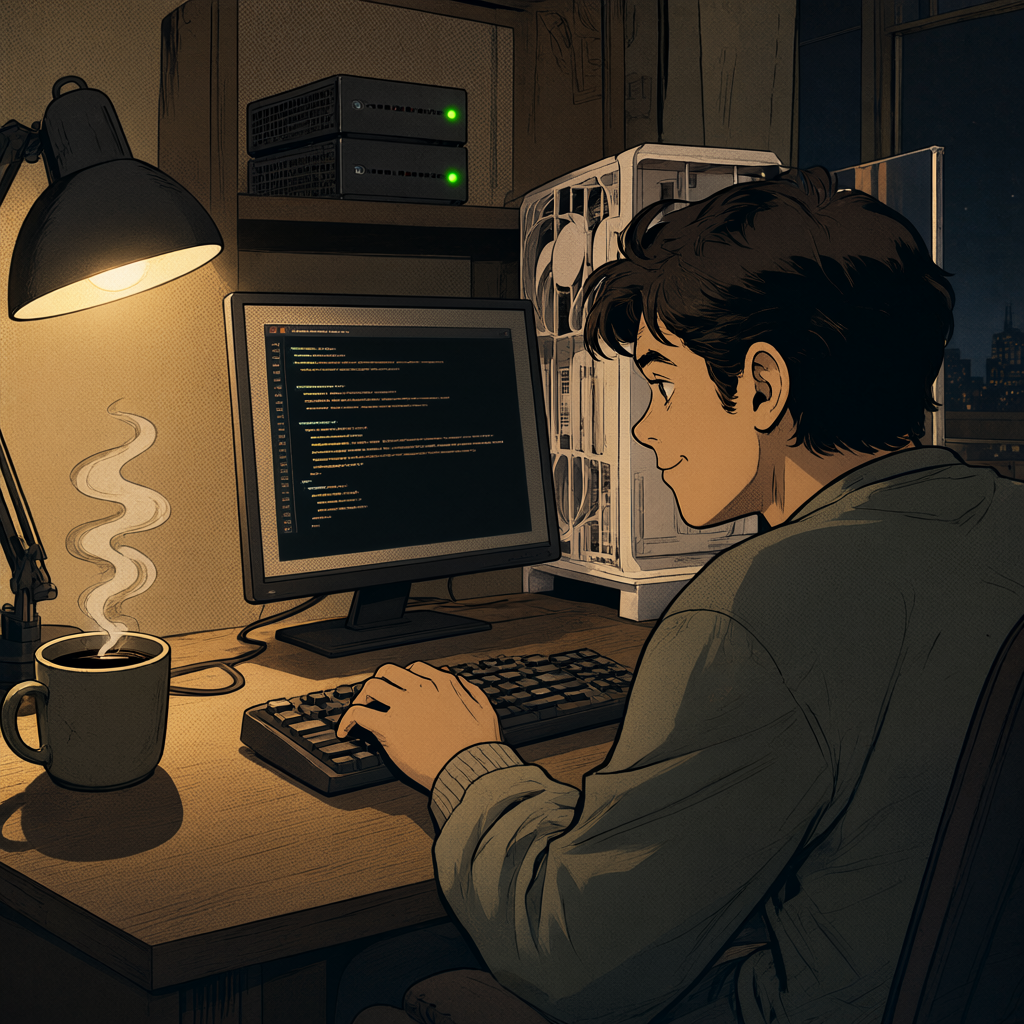
Ten Days with My AI Agent: Courses, Cooling Ducts, and 78 Million Tokens a Day
Fifteen working sessions with my local AI agent, logged and summarized: a certification track finished page by page, a 300-file benchmark, a root-cause hunt that ended at a single CPU instruction, and what 78 million tokens a day actually means.
Read More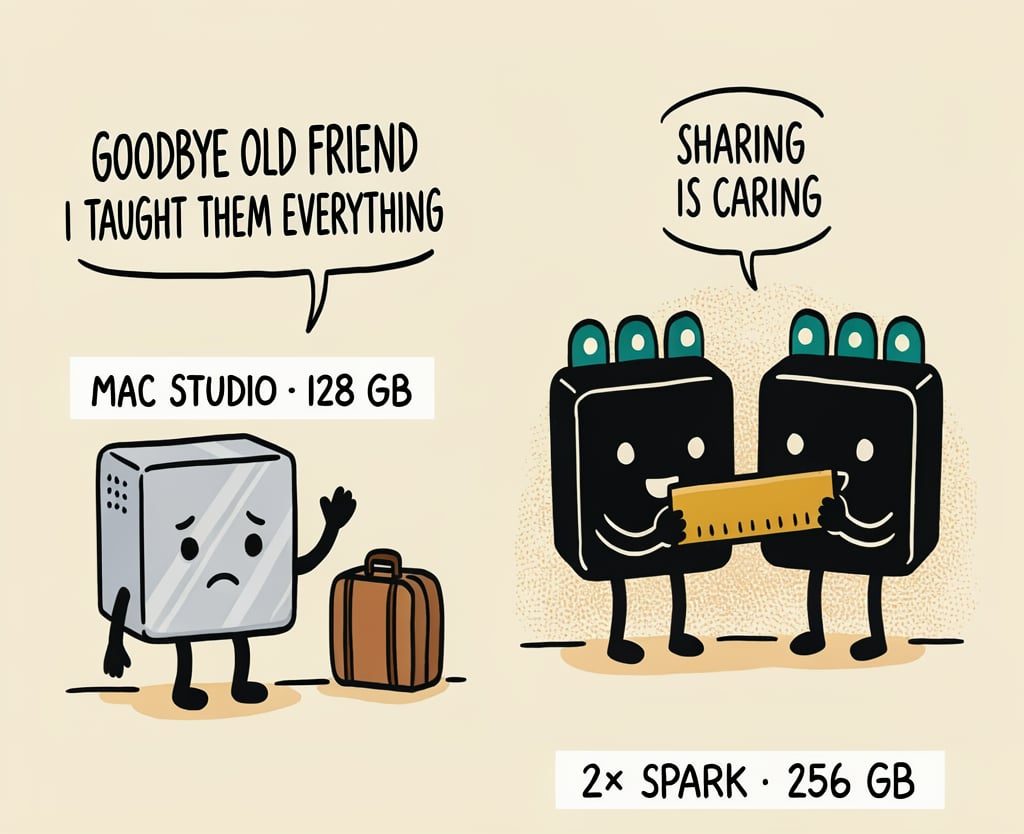
One Mac Out, Two Sparks In: My AI@Home Cluster
I replaced my Mac Studio M4 Max with two ASUS Ascent GX10 (DGX Spark) machines in a 200GbE cluster. Double the memory for big models, better agentic speed — and an honest look at power, thermals and the bandwidth catch.
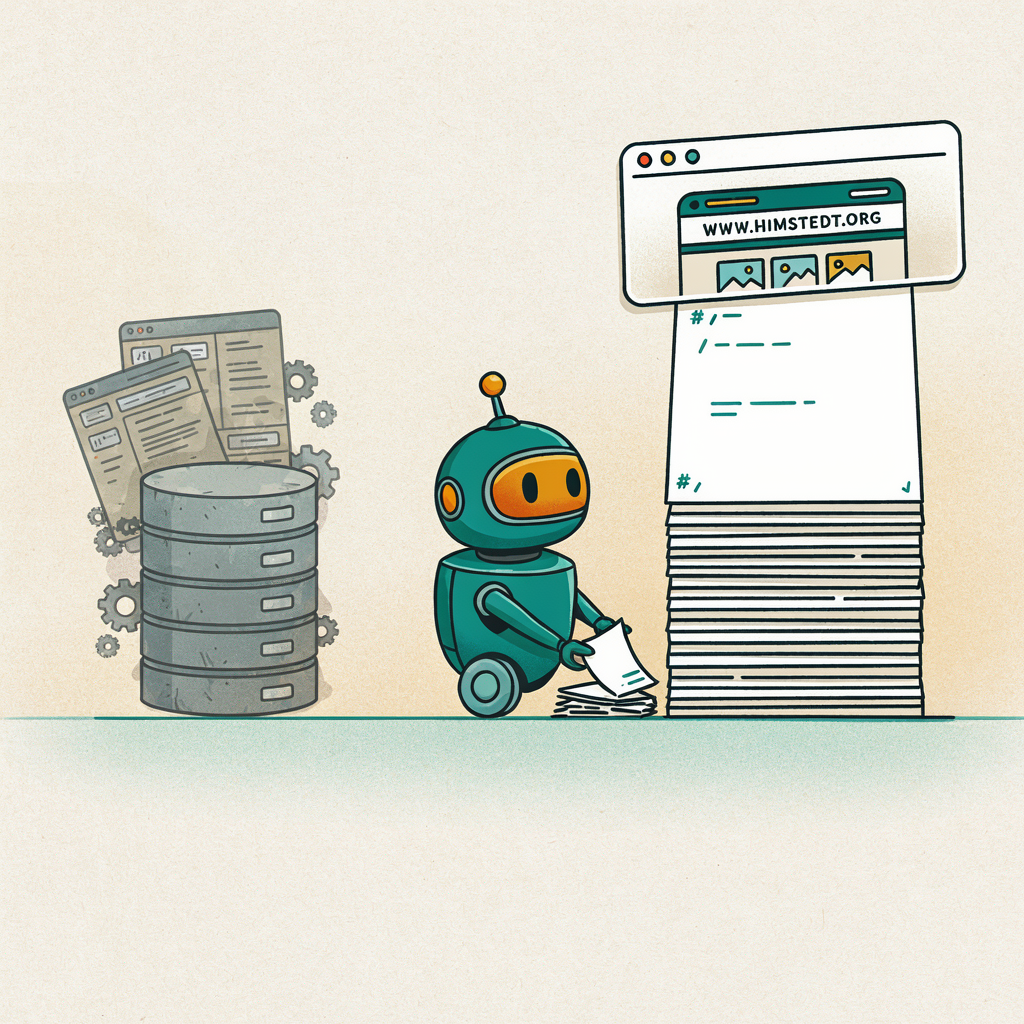
Goodbye WordPress: Migrating This Site to Astro — as Told by the Agent That Did It
How this blog moved from a WordPress container to static Markdown on an Unraid server — written by Hermes Agent, the AI that performed the migration. Real token counts, honest mistakes, and a cookie banner that had to die.

How I Built a Smart Album Feature in Immich—Without Writing a Single Line of Code (Thanks to AI)
It started with curiosity. After spending a week immersed in Cognizant Vibe Coding — where I was dazzled by live AI pair programming, real-time refactoring, and code suggestions that felt almost psychic—I got hooked. Not just on the tooling… but on the possibility. What if I could use this to build something real? Something complex?…

AI@Home, Part 6: Connecting Obsidian (or other Applications) to your local AI
Using local AI also means you can connect whatever you want and don’t have to worry about any additional costs. So, in addition to my Photo Tagging Jobs, which runs once a week and creates tags and titles for my photos in Immich, I have also connected my note-taking program, Obsidian. Obsidian is a powerful,…

AI@Home, Part 5: Adding Websearch
Last piece to describe – how to combine large language models with web content. Similar to using local documents for Retrieval Augmented Generation (RAG), it is also possible to use content coming from a search on the web. If you have ever used perplexity.ai, you have seen this already. Personally, I love Perplexity. To a…

Using AI to tag a Photo collection
As photographers pro, or amateur we often accumulate large collections of images that need proper organization. Manually tagging thousands of photos can be tedious and time-consuming. In this tutorial, I’ll show you how to use my own AI setup along with Python and the OpenAI API to automatically tag my photo collection. The current flagship…
AI@Home: New Hardware
As written in this post I preordered a Framework Desktop. I’m about to cancel this, and here is why. For the past few months, I’ve been deeply involved in experimenting with Large Language Models (LLMs), both running them locally and exploring different hardware options. I was extremely excited about the Framework Desktop. The promise of…

AI@Home, Part 4: Expose services (Open WebUI) to the internet
In this part, I will explain why and how I made Open WebUI available publicly on the internet. First things, first. Why? Because it is possible and it allows me to use the services while being not at home (e.g connecting it to Obsidian or VSCode). I would also consider this as quite safe, as…
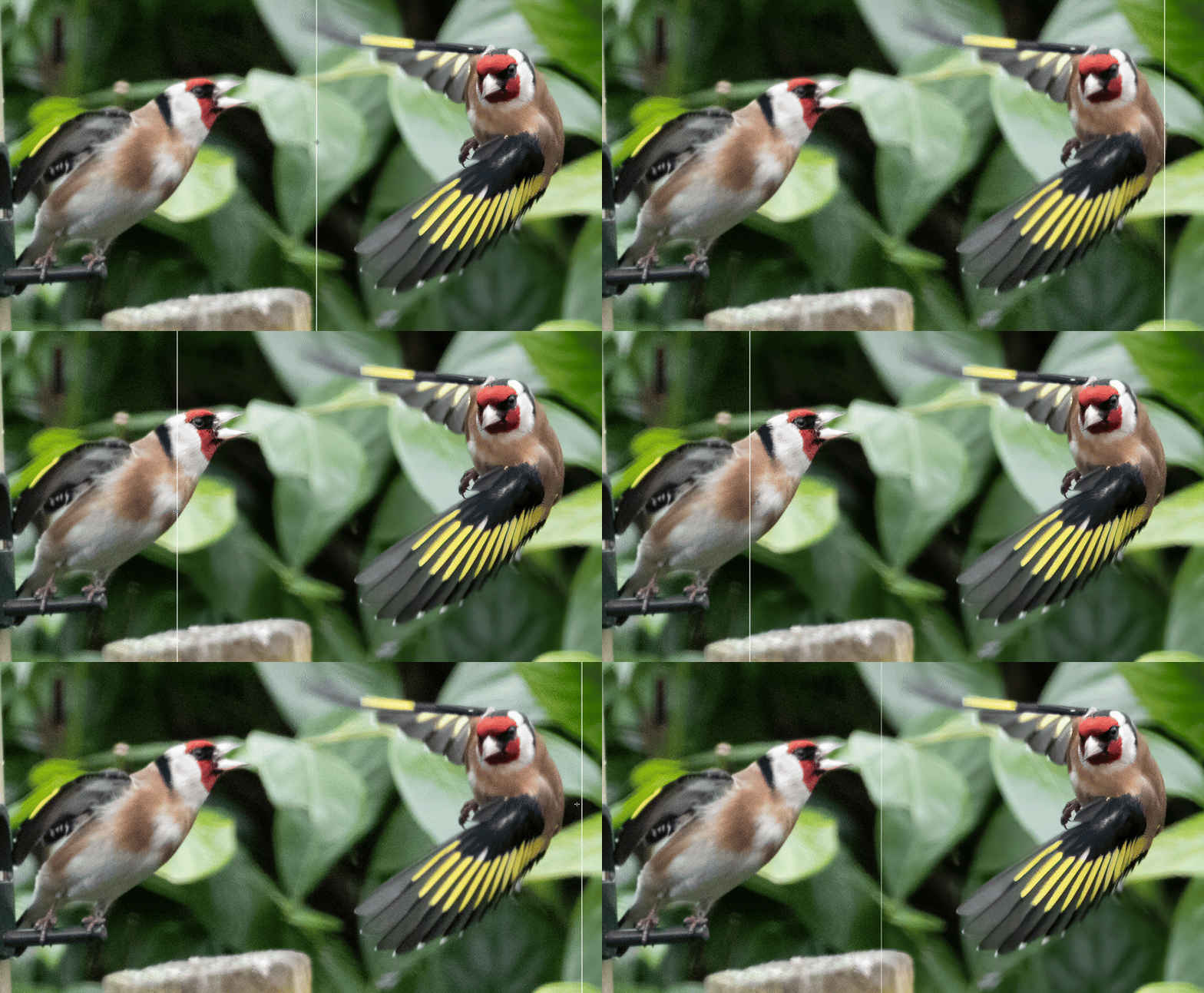
Quick Impression on Topaz Photo AI
Not sure where I really stumbled across this but I recently tried Topaz Photo AI. To start with the conclusion: It can’t perform miracles but definitly can enhance photos quite a bit. Topaz Photo AI is an advanced photo editing tool that combines features from Topaz Labs’ previous products: DeNoise AI, Sharpen AI, and Gigapixel…